

What You Will Find Here
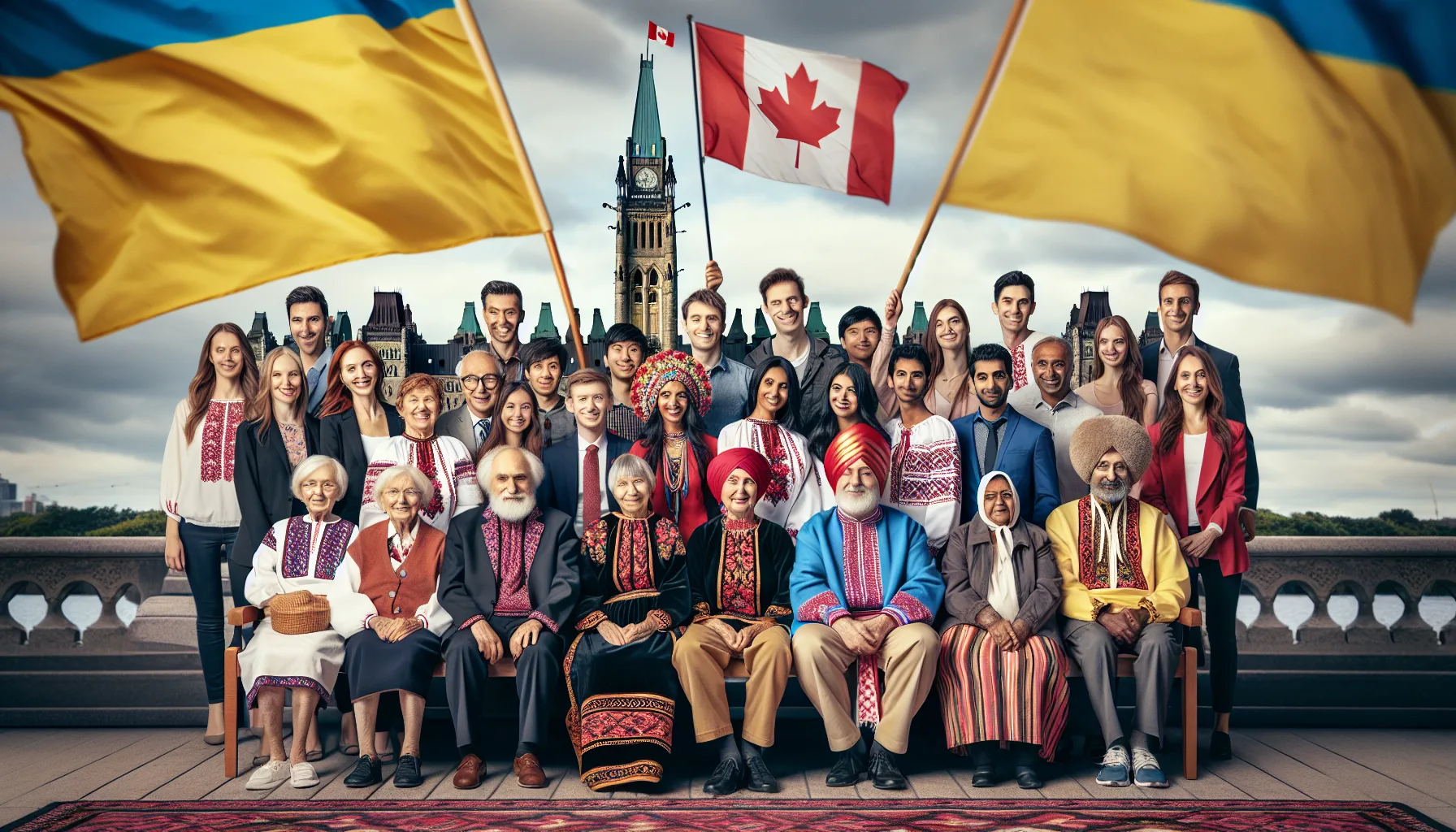
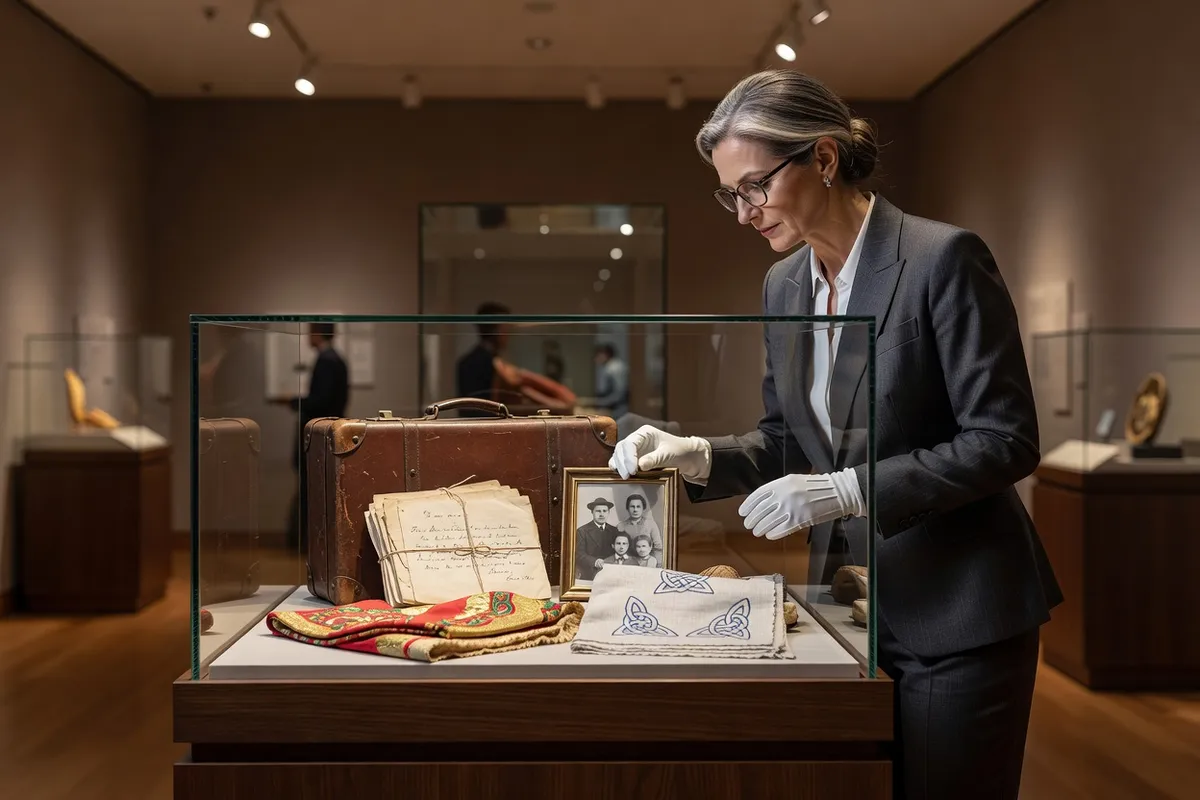
This section gathers the editorial work of usctoronto.ca on the Ukrainian diaspora in Canada: who we are as a community, how we live across provinces, what institutions hold the community together, and how the bond with Ukraine has evolved through five successive waves of migration. The Diaspora category is the heart of the site because it is where history, demography, culture and identity meet.
The articles currently published cover the full spectrum of diaspora life. The long-form specifics of the Ukrainian diaspora living in Canada examines the current phase of community life after the 2022 war. How does the Ukrainian diaspora live in Canada walks through daily routines, jobs and community rhythms. Community of Ukrainians in Canada traces the migration story from the first settlers to today. How many Ukrainians live in Canada delivers the hard demographic data, while fear for the distant country captures the emotional bond with Ukraine. Finally, famous Ukrainian Canadians profiles the people who shaped the nation.
Ukrainian Diaspora Context
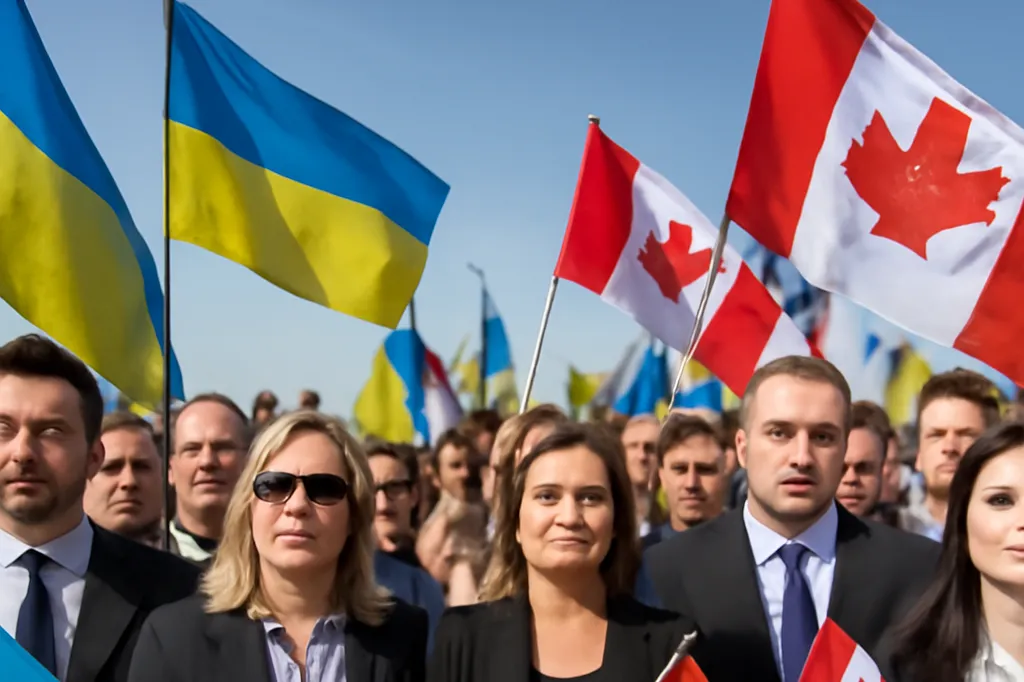
The global Ukrainian diaspora counts approximately 20 million people living outside Ukraine's borders, spread across more than 80 countries. The largest concentrations sit in the former Soviet states, especially Russia and Kazakhstan, but the second-largest group, and by far the most organised, lives in Canada. With 1.4 million people of Ukrainian descent, Canada hosts the largest Ukrainian community outside the former Soviet space, ahead of the United States, Brazil, Argentina and Poland in absolute terms and far ahead in per-capita share.
The Canadian diaspora is the product of five migration waves. The first wave ran from 1891 to 1914 and brought roughly 170,000 peasants from Galicia and Bukovyna, mostly to the Prairies. The second wave, between the two world wars, brought political refugees fleeing Soviet Ukraine and Polish rule. The third wave, from 1947 to the early 1950s, was the Displaced Persons wave: about 34,000 Ukrainians arrived after the Second World War, many with professional training, and they transformed Ukrainian cultural institutions in Toronto, Winnipeg, Montreal and Edmonton. The fourth wave began after Ukrainian independence in 1991 and peaked in the 2000s. The fifth wave, triggered by the Russian invasion of February 2022, brought more than 200,000 Ukrainians through CUAET alone.
Each wave left a distinct cultural imprint. The Prairie homesteaders built the first Ukrainian churches, reading halls and cooperative stores. The Displaced Persons created political and cultural umbrella organisations such as the Ukrainian Canadian Congress, the Shevchenko Scientific Society and countless youth groups. The post-1991 wave modernised the community's economic profile and strengthened direct links with independent Ukraine. The 2022 wave is urban, digital and often temporary in intention, which is reshaping how community institutions serve newcomers.
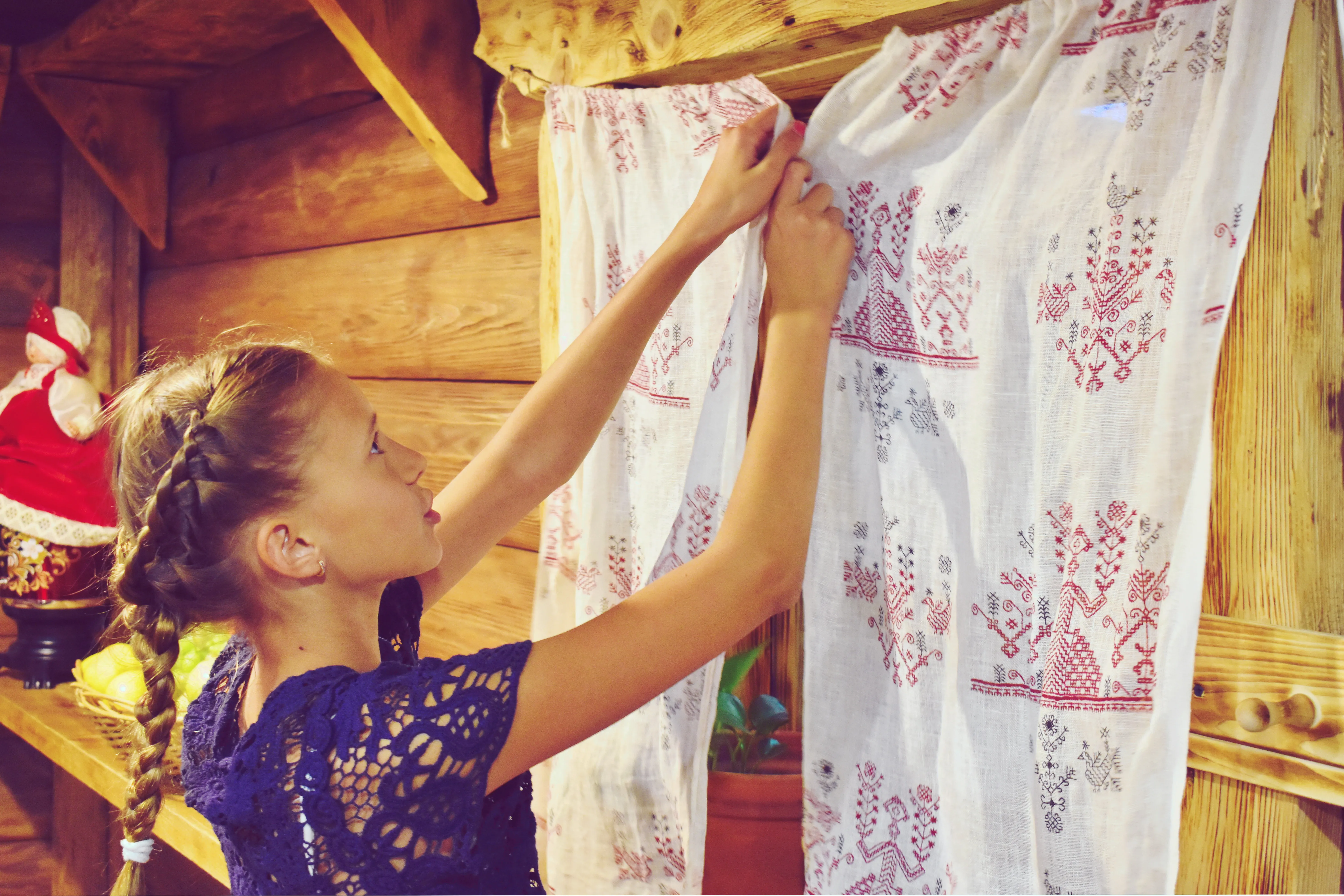
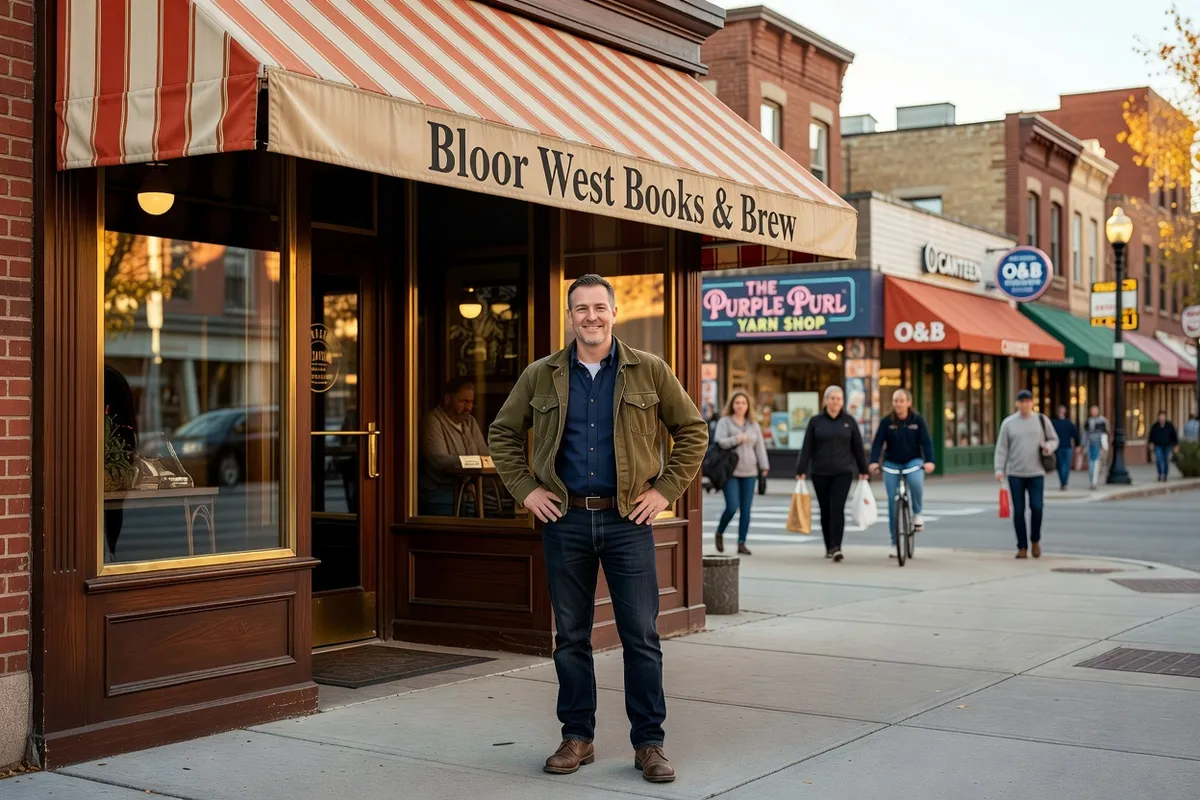
Cultural preservation depends on a dense web of institutions. The Ukrainian Catholic Eparchy of Toronto and the Ukrainian Orthodox Church of Canada anchor religious life. The Ukrainian Canadian Congress, founded in 1940, represents more than 1,200 local member organisations. Ukrainian Saturday schools teach language and literature to the third and fourth generations. Festivals such as the Vegreville Pysanka Festival, the Dauphin Ukrainian Festival and Toronto's Bloor West Village Ukrainian Festival pull tens of thousands of visitors each year. For a deeper dive into how the community was built, see community of Ukrainians in Canada, and for the texture of daily diaspora life, specifics of the Ukrainian diaspora living in Canada.
Key Facts in 2026
- 1.4 million Canadians of Ukrainian heritage, the largest Ukrainian diaspora outside the former Soviet states.
- Roughly 20 million Ukrainians worldwide live outside Ukraine, distributed across 80+ countries.
- 5 migration waves shaped the Canadian diaspora: 1891-1914 agricultural, interwar political, post-1945 Displaced Persons, post-1991 economic, and post-2022 war refugees.
- The Ukrainian Canadian Congress represents more than 1,200 local organisations through provincial councils and national committees.
- Manitoba, Saskatchewan and Alberta still record the highest per-capita Ukrainian populations, with Manitoba at roughly 14 percent provincial share.
- More than 200,000 Ukrainians arrived under CUAET between 2022 and 2024, the largest single-wave intake since the Displaced Persons era.
Related Topics on usctoronto.ca
The diaspora story touches every other section of this site. Readers who want to understand how the community formed through immigration policy should cross into the Canada section; those interested in the homeland that shapes diaspora identity should visit the Ukraine section; and anyone curious about sectoral success stories will find material in the dedicated IT, women and Jews categories.
- How to Immigrate to Canada from Ukraine - the legal framework that built the diaspora.
- CUAET 2026 guide - the latest wave reshaping the community.
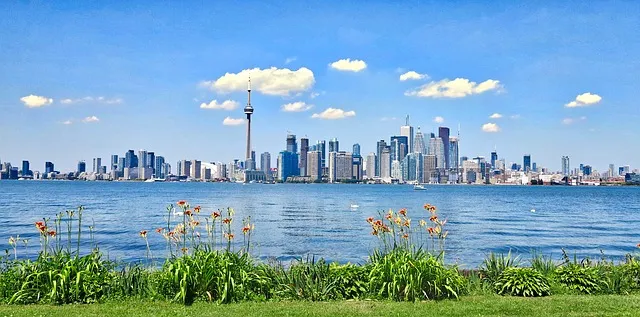
- Ukrainians in Toronto - the largest urban hub east of the Prairies.
- How Canada Tamed the Ukrainian Diaspora - political integration and multiculturalism.
- Ukraine - the homeland that continues to shape diaspora identity.
- Ukrainian IT in Canada - the tech diaspora and remote work corridors.
Frequently Asked Questions
How large is the Ukrainian diaspora in Canada?
About 1.4 million Canadians claim Ukrainian heritage, making Canada home to the largest Ukrainian diaspora outside the former Soviet states. This community represents roughly 3.8 percent of the Canadian population, with the highest concentrations in Manitoba, Saskatchewan, Alberta and Ontario. The 2022 refugee wave added more than 200,000 newcomers under CUAET, creating the most significant demographic shift in Ukrainian-Canadian life since the post-Second World War Displaced Persons wave.
Where do most Ukrainian Canadians live?
Ukrainian Canadians are concentrated in the Prairie provinces, where the original agricultural settlers homesteaded between 1891 and 1914. Winnipeg, Edmonton and Saskatoon all host substantial communities. Toronto has the largest urban concentration in Eastern Canada, while Vancouver and Calgary have grown rapidly since the 1990s. The 2022 CUAET wave redistributed newcomers toward Ontario and British Columbia, reflecting modern labour-market geography rather than the old homesteading map.
How does the Ukrainian diaspora preserve its culture in Canada?
Cultural preservation runs through four main institutions: the Ukrainian Catholic and Orthodox churches, Ukrainian-language Saturday schools, youth organizations such as Plast and SUM, and annual festivals including the massive Vegreville Pysanka Festival and the Dauphin Ukrainian Festival. The Ukrainian Canadian Congress acts as the umbrella body representing more than 1,200 local organizations. Language retention is strongest in the Prairies and among the post-1991 waves.
What is the difference between older and newer waves of Ukrainian immigrants?
The pre-1914 agricultural wave settled the Prairies and built the institutional backbone of the diaspora. The post-Second World War wave brought political refugees, many with higher education. The post-1991 wave consisted of economic migrants fluent in Russian and Ukrainian. The 2022 CUAET wave is urban, educated, digitally connected and often expects to return to Ukraine. Each wave speaks Ukrainian differently, practises different religious traditions and holds different political views.
Latest Insights
The Diaspora section is updated as new census data, community reports and academic research become available. Statistics Canada's 2021 census remains the baseline for demographic numbers, but the 2022 war triggered changes that will only be fully captured in the 2026 census release. In the meantime, settlement-agency reports, Ukrainian Canadian Congress bulletins and provincial refugee data help track the community's evolution.
- How Many Ukrainians Live in Canada - population by province, top cities and census trends.
- Famous Ukrainian Canadians - from Wayne Gretzky's roots to Chrystia Freeland.
- Specifics of the Ukrainian Diaspora Living in Canada - the current phase of community life.