



What You Will Find Here
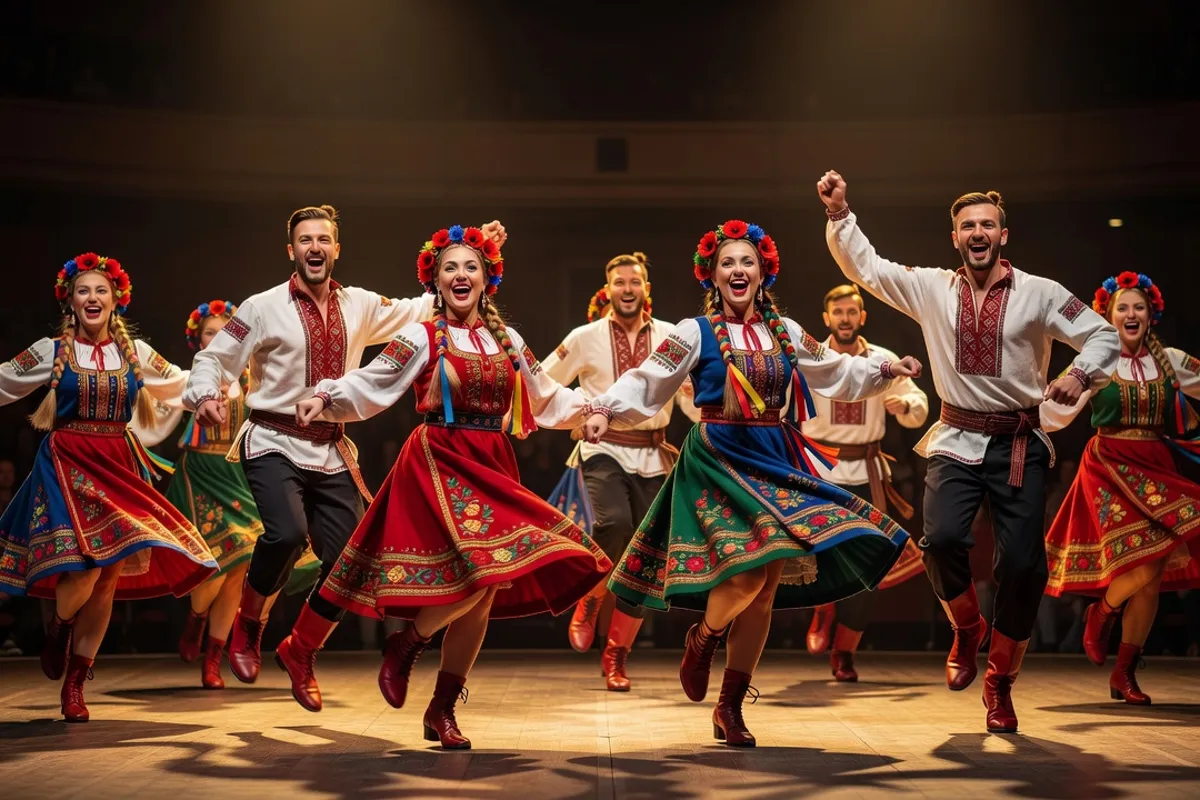
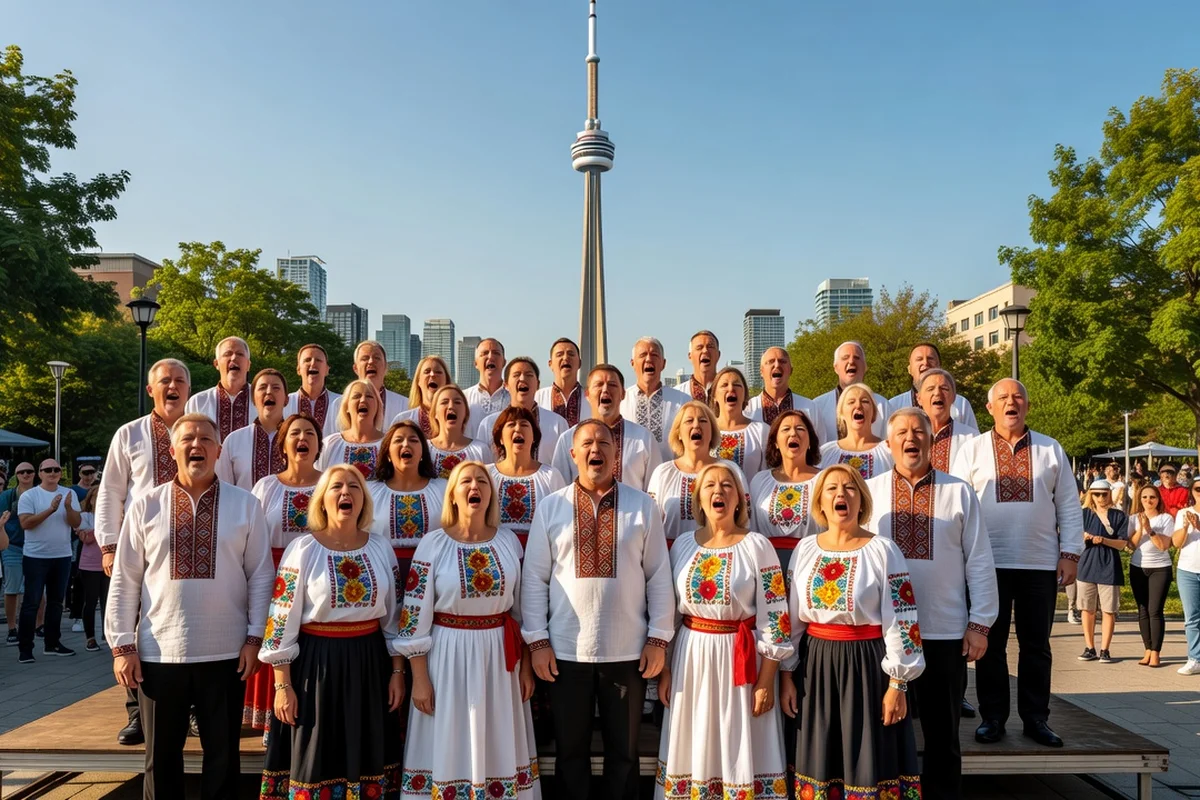
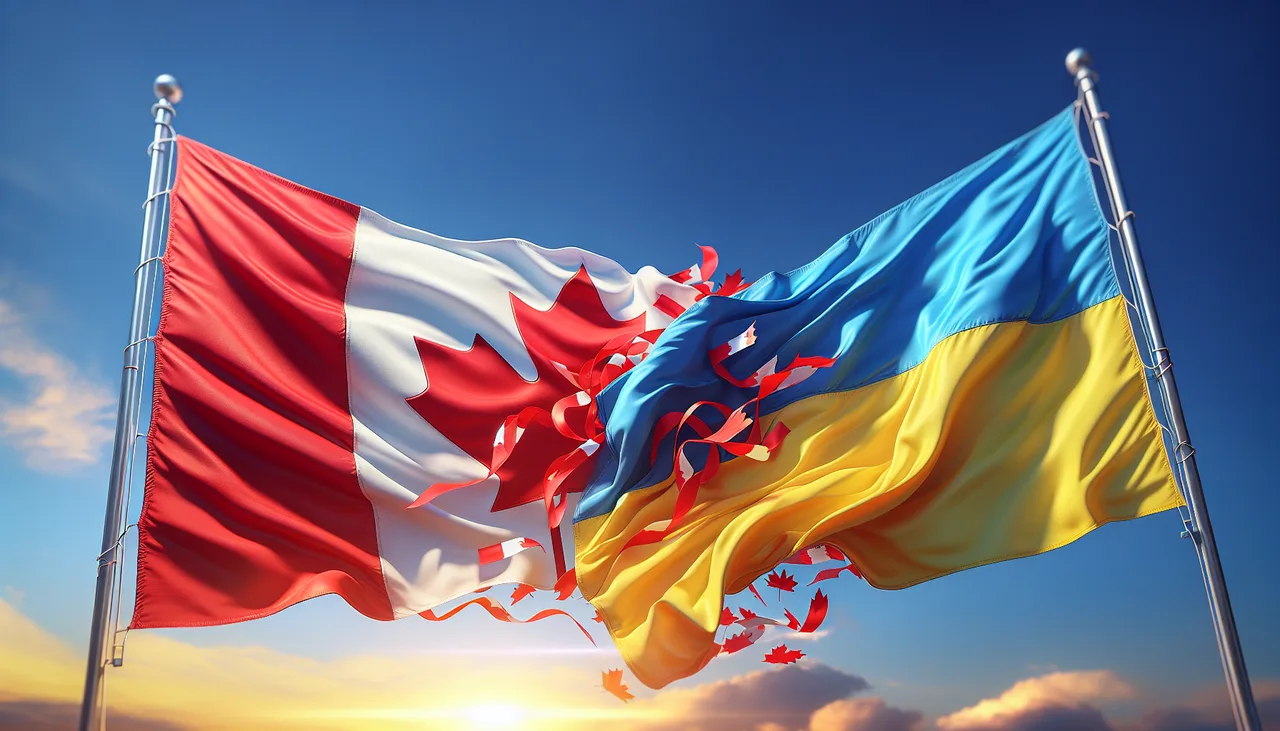
This section brings together every long-form guide on usctoronto.ca that explores the Ukrainian presence in Canada - the 1.4 million people who trace their roots to Galicia, Bukovina, central Ukraine and, more recently, to the cities affected by the post-2022 war. You will find historical timelines that walk through the five distinct immigration waves, community profiles for Toronto and the Prairie bloc settlements, cultural guides covering pysanky, Sviat Vechir, hopak dance and the vyshyvanka, and reference pages on churches, food, identity and demographics.
The articles are written for readers with very different needs. Newcomers arriving under CUAET use them to understand the landing infrastructure built by earlier generations. Third and fourth generation Ukrainian Canadians use them to reconnect with traditions their grandparents brought from the Old Country. Researchers, journalists and students rely on them for sourced, up-to-date figures on population distribution, church affiliation and cultural institutions. Every guide is refreshed against 2026 census data and Statistics Canada releases to keep numbers accurate.
Ukrainian-Canadian Community Context
The Ukrainian-Canadian community is the third-largest Ukrainian population in the world, with roughly 1.4 million people of Ukrainian descent recorded in 2026. That figure represents close to 4 percent of the total Canadian population and places Canada behind only Ukraine itself and the United States in terms of demographic weight. Understanding how this community formed requires looking back more than 130 years to 1891, when Ivan Pylypiw and Wasyl Eleniak became the first documented Ukrainian immigrants to arrive in Alberta. Their journey opened a corridor that would bring approximately 170,000 settlers to the Canadian Prairies between 1891 and 1914.
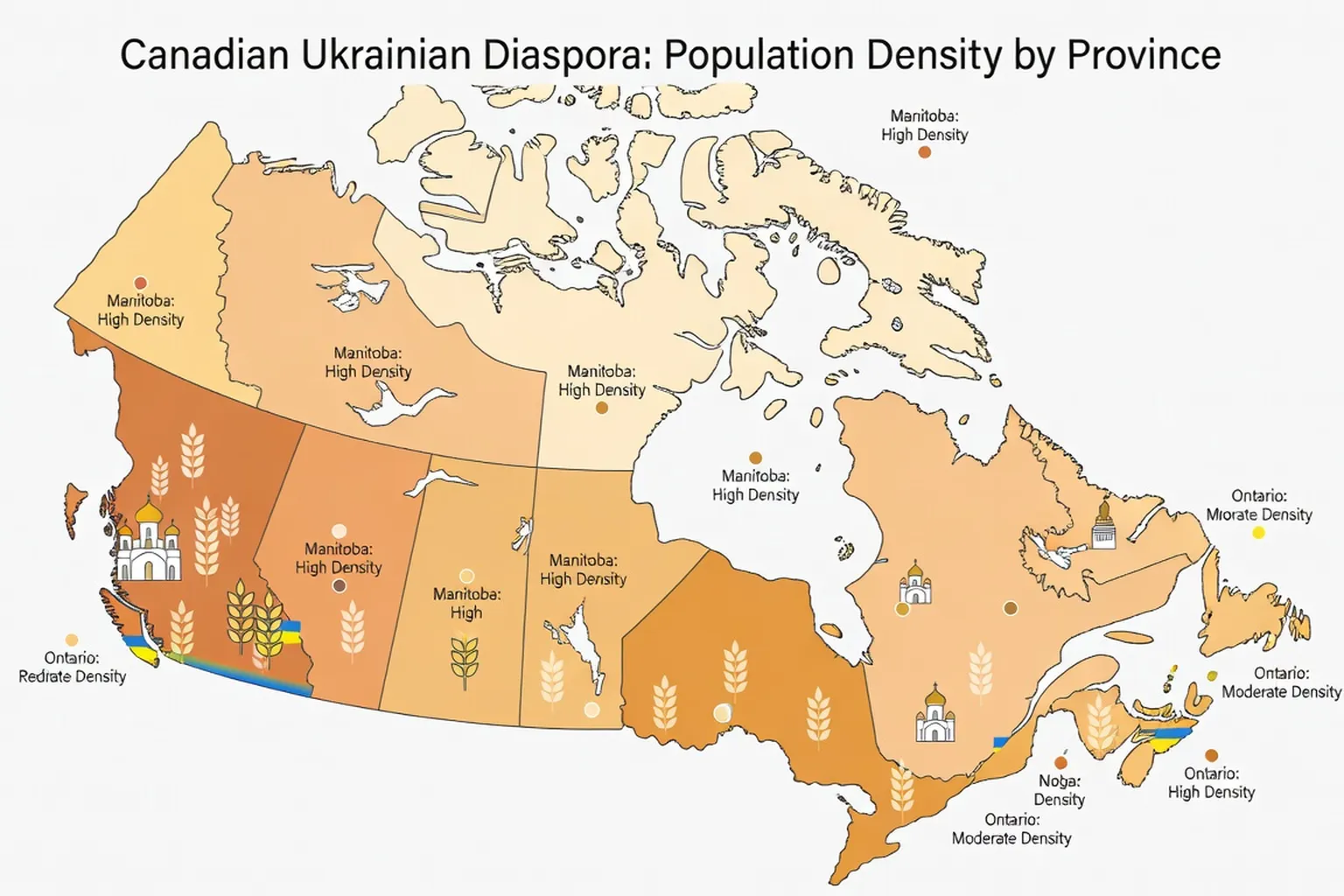
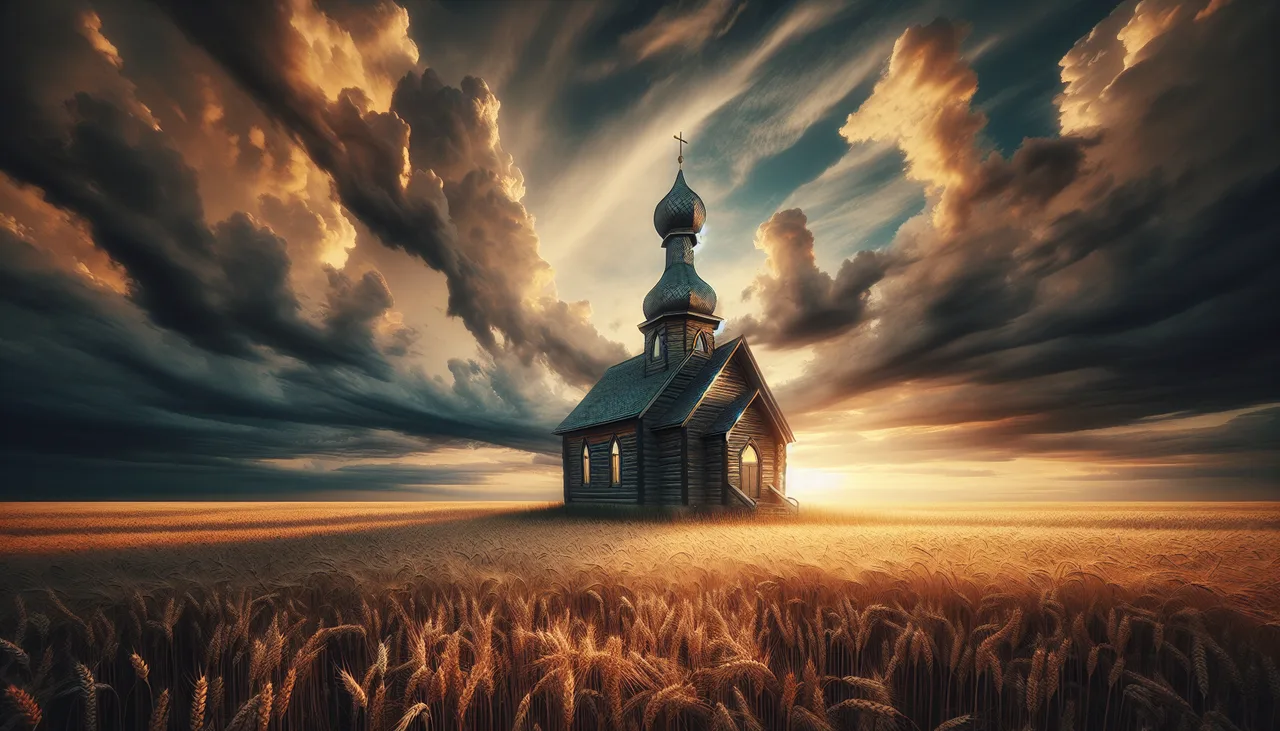
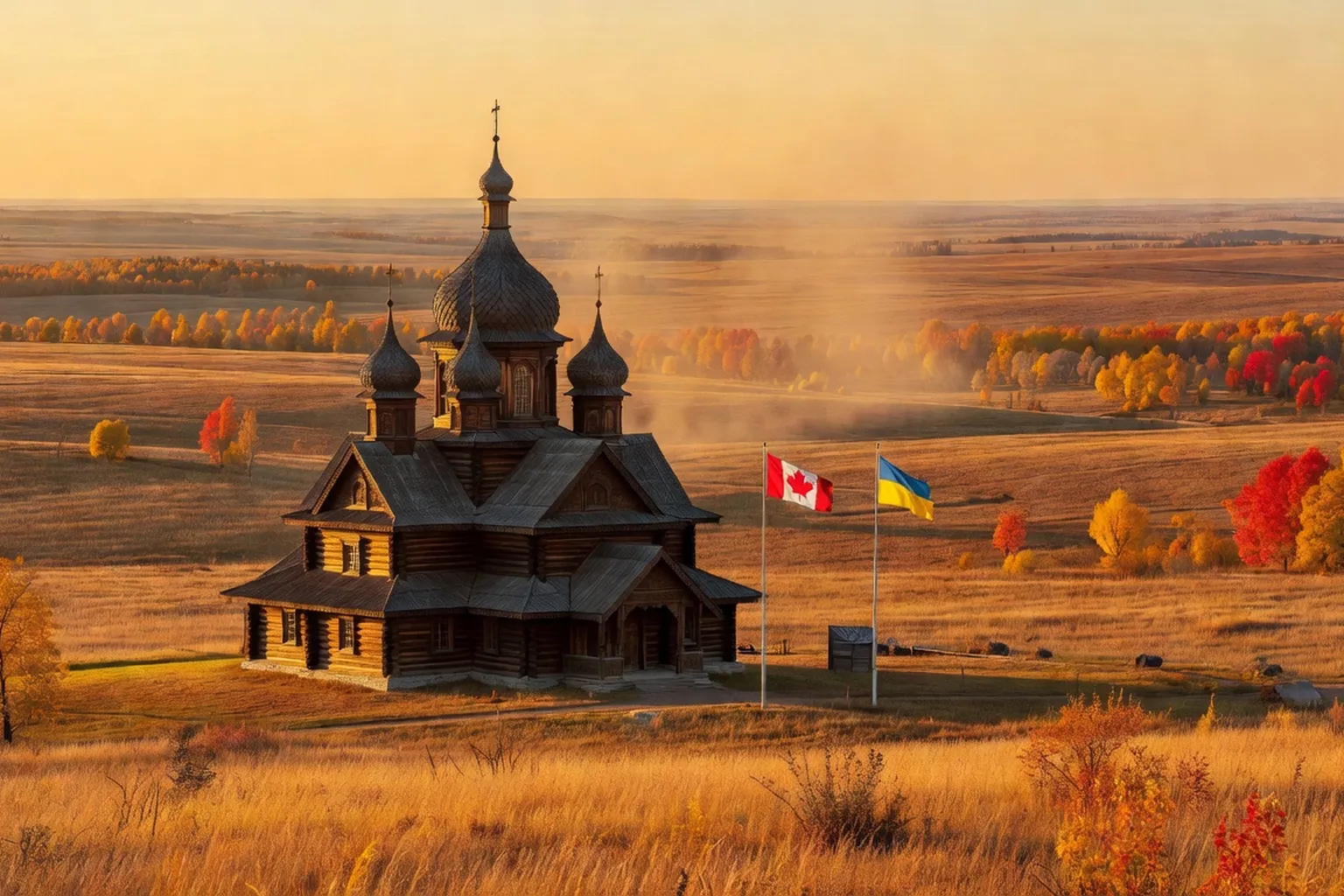
The provinces with the largest Ukrainian populations today reflect both the original settlement patterns and the later internal migration toward urban centres. Ontario now hosts the largest absolute number, largely concentrated in the Greater Toronto Area, while Alberta, Manitoba, Saskatchewan and British Columbia retain strong communities. On a per-capita basis, Manitoba and Saskatchewan remain the historic heartland - the bloc settlements around Dauphin, Yorkton and east-central Alberta still carry Ukrainian place names, onion-domed churches and community halls that continue to host zabavas and dance festivals. For a full demographic picture read our companion guides on Ukrainians in Canada, Ukrainians in Toronto, and the forthcoming Ukrainian Population in Canada 2026 Stats.
The Ukrainian community played a defining role in shaping Canadian multiculturalism. The federal Multiculturalism Policy announced by Prime Minister Pierre Trudeau in 1971 was partly a response to decades of Ukrainian-Canadian advocacy for recognition of non-English, non-French heritage. Three Ukrainian Canadians have served as lieutenant governor, one as Governor General (Ray Hnatyshyn), and the community has produced federal ministers, Supreme Court justices and international business leaders. Post-2022, the CUAET program brought more than 300,000 new arrivals in under three years, profoundly reshaping the community with a younger, often urban and professional demographic concentrated in Toronto, Edmonton, Calgary, Vancouver and Winnipeg.
Key Facts in 2026
- 1.4 million Canadians report Ukrainian heritage, roughly 4 percent of the national population.
- 135 years of continuous Ukrainian presence since the first settlers arrived in 1891.
- 300,000+ CUAET arrivals between March 2022 and late 2024, the largest single movement in community history.
- 5 distinct immigration waves: pioneer (1891-1914), interwar, displaced persons, late Soviet, and post-2022.
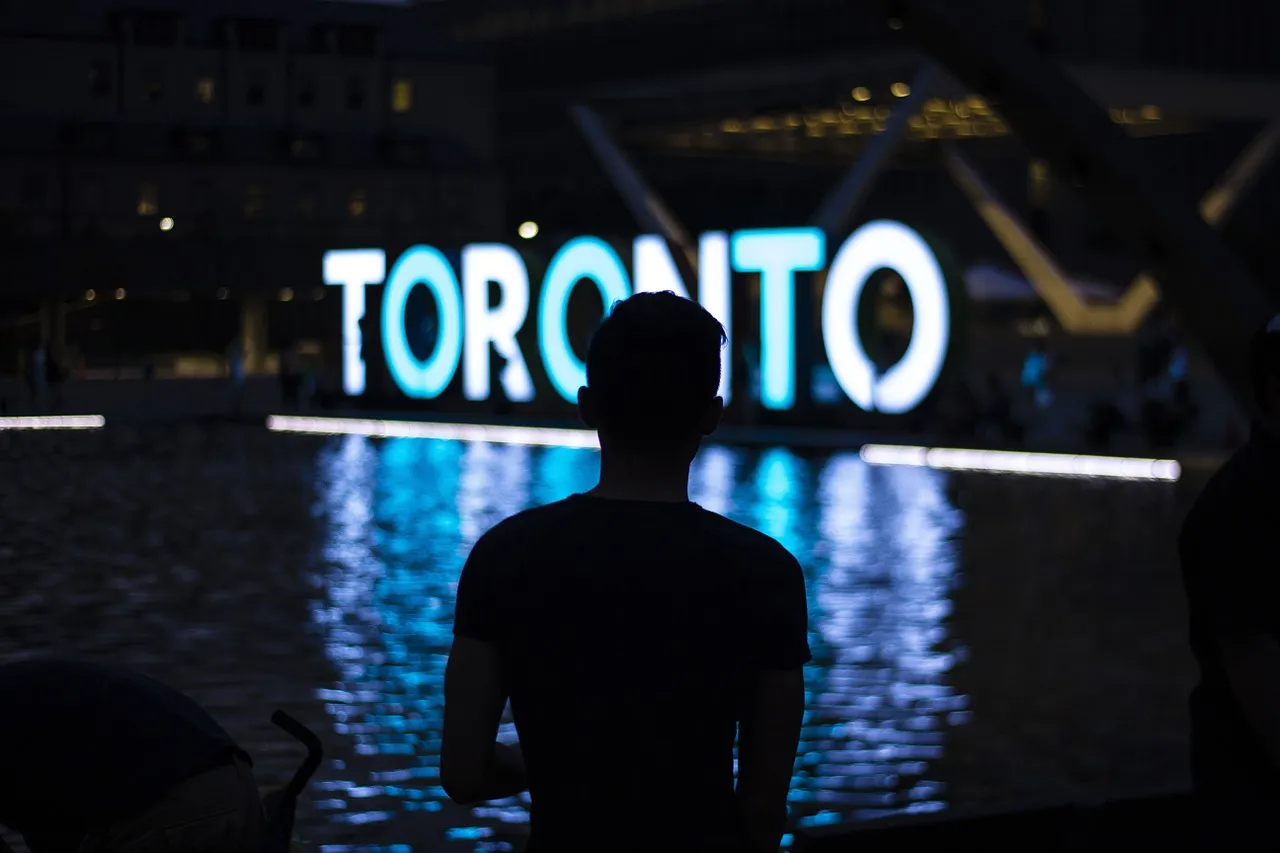
- 100,000+ Ukrainian Canadians live in the Greater Toronto Area alone, making it the largest urban community in the country.
- 300+ Ukrainian Orthodox and Catholic parishes operate across Canada, from prairie chapels to Toronto cathedrals.
Related Topics on usctoronto.ca
The Ukrainian-Canadian story connects to nearly every other section of this site. If you want to understand the global picture of Ukrainians living outside Ukraine, the Diaspora category covers community life in Europe, the Americas and Australia. The Canada Immigration section explains the pathways - from CUAET to Express Entry - that continue to bring new Ukrainians north. The Ukrainian Women category explores dating, marriage and professional profiles, while the Ukrainian IT section covers the tech corridor between Kyiv, Lviv and Toronto. Below are the most useful cross-links for readers of this category:
- Ukrainian Diaspora around the world - global community context and comparisons with other host countries.
- Canada Immigration pathways - CUAET, Express Entry, Provincial Nominee Programs and family sponsorship.
- Ukrainian Women in Canada - dating culture, professional profiles and relationship guides.
- Ukraine - background on regions, history and the homeland that shaped the diaspora.
- Ukrainian IT in Canada - the tech workers and startups building the Kyiv-Toronto corridor.
- Jews and Ukrainians in Canada - the shared and contested history of two communities living side by side.
Frequently Asked Questions
How many Ukrainian Canadians live in Canada in 2026?
Approximately 1.4 million Canadians report Ukrainian heritage in 2026, representing close to 4 percent of the national population. This figure combines descendants of the five historical immigration waves with post-2022 CUAET arrivals, which added more than 300,000 Ukrainians fleeing the full-scale Russian invasion. The community remains the third-largest Ukrainian population in the world, after Ukraine and the United States.
Which Canadian provinces have the largest Ukrainian communities?
Ontario now hosts the largest Ukrainian community by absolute numbers, followed by Alberta, Manitoba, Saskatchewan and British Columbia. On a per-capita basis, the Prairie provinces remain the historic heartland, with Manitoba and Saskatchewan showing the highest concentration due to the 1891 to 1914 pioneer wave that settled the bloc settlements of Dauphin, Yorkton and east-central Alberta.
When did Ukrainian immigration to Canada begin?
Organized Ukrainian immigration to Canada began in 1891 when Ivan Pylypiw and Wasyl Eleniak arrived in Alberta. The first major wave from 1891 to 1914 brought roughly 170,000 settlers from Galicia and Bukovina to homestead the Prairies. Four subsequent waves followed: interwar, post-war displaced persons, late Soviet professionals, and post-2022 CUAET arrivals, giving the community 135 years of continuous presence.
What is CUAET and how did it change the community?
CUAET stands for Canada-Ukraine Authorization for Emergency Travel, an emergency pathway launched in March 2022 after Russia's full-scale invasion. It allowed Ukrainians to come to Canada on a three-year open work permit outside regular immigration quotas. CUAET brought over 300,000 arrivals by 2024, reshaping the community with a younger, often urban, professional demographic concentrated in Toronto, Edmonton, Calgary and Vancouver.
Latest Insights
Our editorial focus for 2026 is grounded in the demographic shift caused by CUAET and the maturing of the third and fourth generations born in Canada. We track how urban parishes in Toronto, Edmonton and Winnipeg are absorbing newcomers, how bilingual heritage schools are adapting curricula, and how the business corridor between Kyiv, Lviv and Canadian cities is reshaping professional networks. These recent reads offer the freshest entry points into the category:
- Ukrainian Immigration to Canada: Complete Timeline - five waves from 1891 to 2026 in one reference.
- Ukrainian Churches in Canada - from prairie chapels to Toronto cathedrals and their post-2022 role.
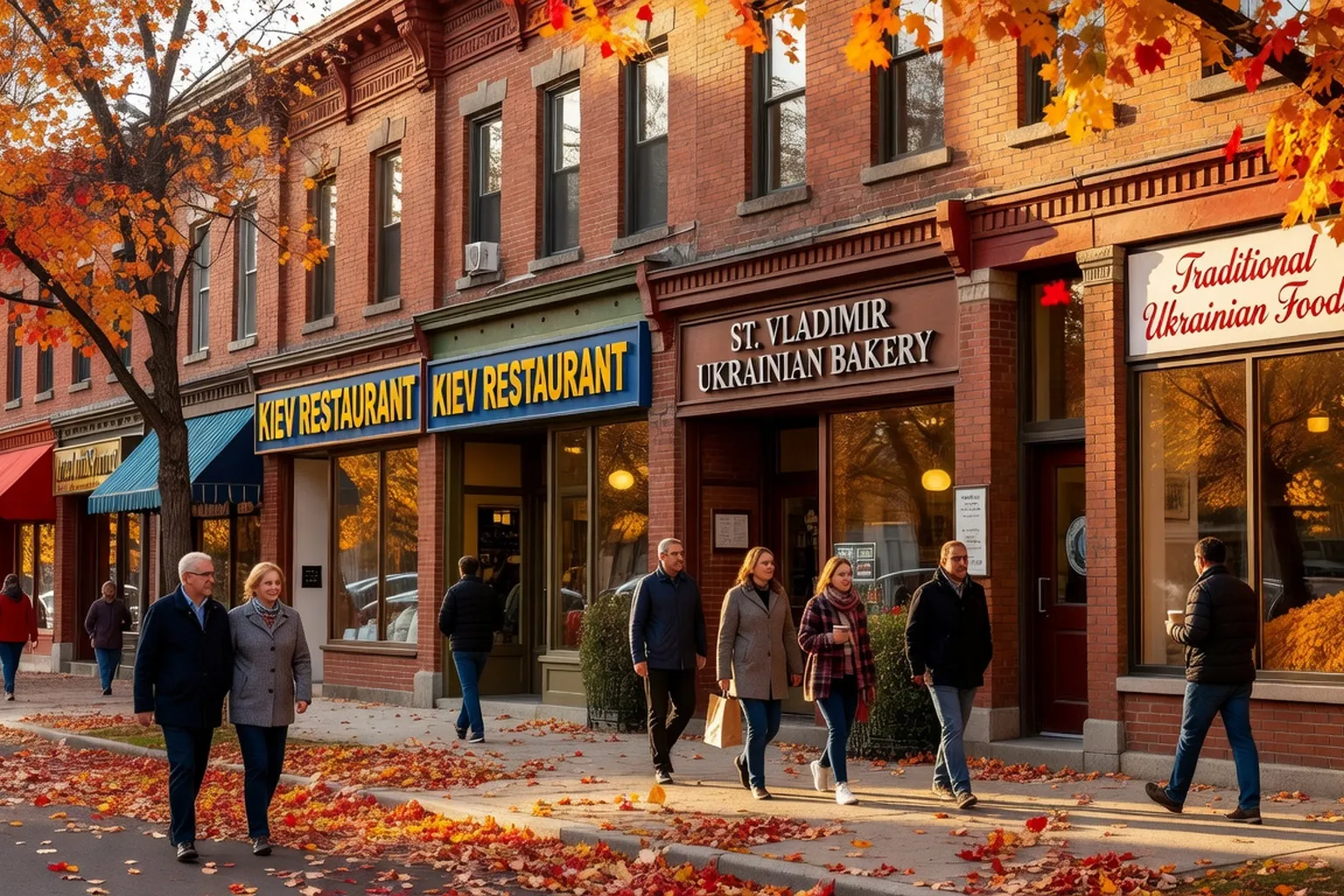
- Ukrainian Food in Canada - baba's kitchen meets modern Toronto restaurants.