Ukrainian WWI internment camp Canada historical image.
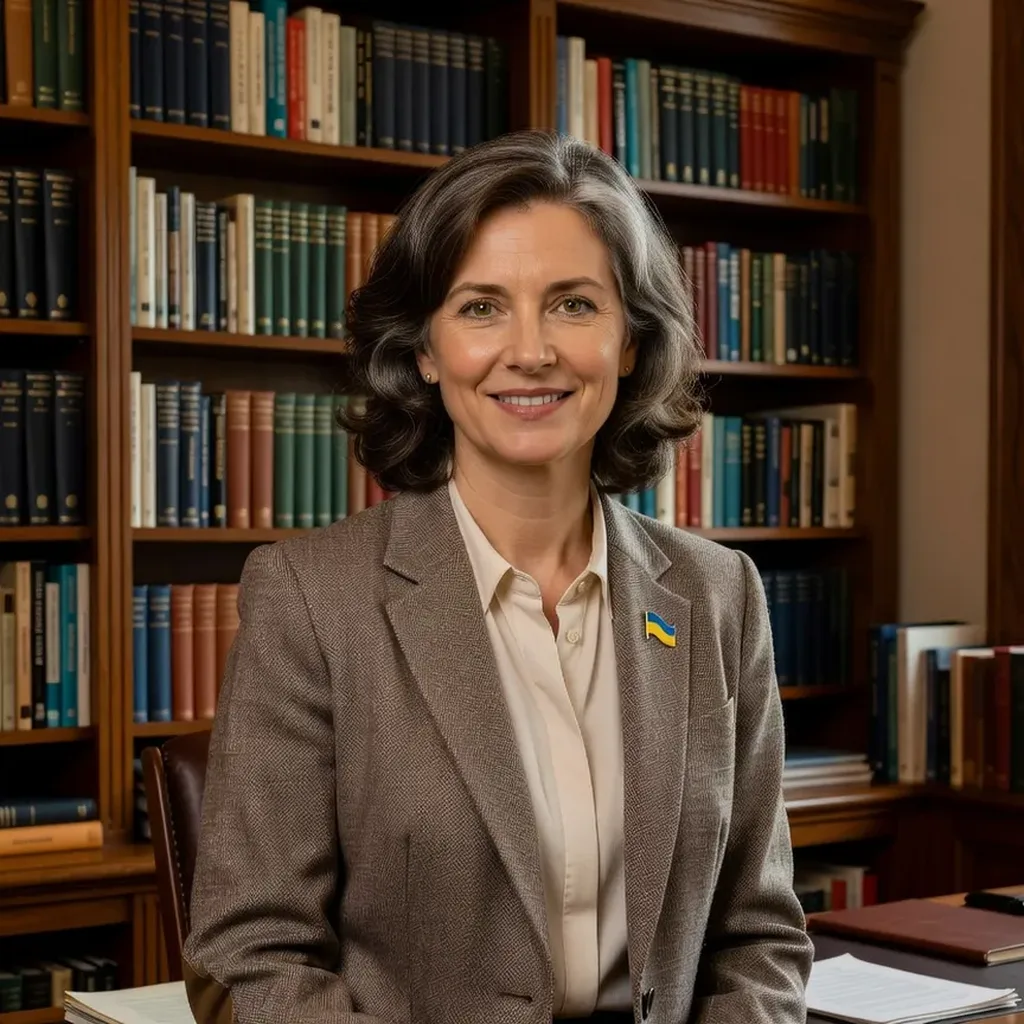
Dr. Marta Kowalski, Associate Professor of History, University of Alberta.
Dr. Marta Kowalski
Associate Professor of History, University of Alberta. Author of Enemies Among Us: The Forgotten Ukrainian Internment 1914–1920 (University of Alberta Press, 2023). Recipient of the Ukrainian Canadian Civil Liberties Association research award.
Edmonton, Alberta, Canada
Few chapters in Canadian history carry the weight of the Ukrainian internment operations of the First World War — a period when over 80,000 immigrants were registered as “enemy aliens” and nearly 9,000 were sent to camps across the country simply because they originated from Austro-Hungarian territories. For Dr. Marta Kowalski, Associate Professor of History at the University of Alberta and a scholar of Ukrainian immigration, this history is both a scholarly passion and a personal calling.
In this exclusive interview, Dr. Kowalski traces the legislative roots of the internment, the realities of life in camps from Banff to Quebec, the scholars who brought this forgotten chapter to light, and the lessons that younger Ukrainian Canadians should carry forward — especially given the post-2022 wave of newcomers now rebuilding their lives in Canada under the CUAET programme.
Table of Contents
- What Were the Internment Operations?
- Who Was Interned and Where?
- Life in the Camps: Forced Labour and Brutality
- Uncovering the Truth: The Work of Swyripa and Luciuk
- The 2005 Recognition Fund: A Step Towards Acknowledgment
- Lasting Impact on the Ukrainian-Canadian Community
- Lessons for Younger Generations
- Parallels with the Present Day
Q: Dr. Kowalski, thank you for speaking with us today. The history of Ukrainian internment in Canada during the First World War is a profound but often overlooked chapter in our nation's past. Could you begin by explaining what these internment operations were, and the legislative framework that enabled them?
A: It's my honour to discuss this crucial period, and thank you for bringing attention to it. The internment operations you refer to were a direct consequence of Canada's entry into the First World War in August 1914. Almost immediately, the Canadian government enacted two pivotal pieces of legislation: the Enemy Alien Act of 1914 and the more sweeping War Measures Act, which was passed just days after the war began. These acts granted the government extraordinary powers, essentially suspending civil liberties and allowing for the arbitrary arrest, detention, and confiscation of property belonging to individuals deemed "enemy aliens."
The classification of "enemy alien" was broad and discriminatory. It primarily targeted immigrants who had arrived from countries with which the British Empire, and by extension Canada, was at war. In the context of the First World War, this meant individuals originating from the German and Austro-Hungarian Empires. Crucially, a significant portion of Canada's first wave of Ukrainian immigration to Canada had come from the western regions of Ukraine, which at the time were under Austro-Hungarian rule. These people, many of whom had fled poverty and oppression in their homelands seeking a new life in Canada, suddenly found themselves labelled as enemies of the state, despite having no loyalty to the Austro-Hungarian crown and often despising it. This blanket classification was based solely on their place of birth or their ancestral origin, not on any actual act of disloyalty or espionage. It was a dark moment when fear and xenophobia overrode fundamental rights and principles of justice, setting a precedent that would have long-lasting, damaging repercussions for the Ukrainian-Canadian community and our national identity.
Q: That's a powerful explanation of the context. Could you elaborate on who exactly was interned, and provide us with the numbers and the scale of these operations across Canada?
A: Certainly. While the term "enemy alien" cast a wide net, the actual internment primarily targeted individuals of Ukrainian, German, and other Eastern European backgrounds, with Ukrainians forming the largest single ethnic group affected. The numbers are staggering and highlight the sheer scale of this injustice. It's estimated that over 80,000 individuals, predominantly men, but also some women and children, were registered as "enemy aliens" and forced to report regularly to local authorities. They had to carry special identity cards, were subjected to surveillance, and faced constant discrimination and suspicion in their daily lives.
Of this registered population, a more concentrated group of 8,579 individuals were actually interned. These were not prisoners of war in the conventional sense; they were civilians, many of whom were British subjects by naturalisation or were in the process of becoming so. The internment camps were established across Canada, from the Atlantic to the Pacific, numbering 24 in total. These camps were often set up in remote areas, strategically chosen to isolate the internees and exploit their labour. From the wilderness of northern Ontario to the mountains of British Columbia, these sites became places of forced labour, hardship, and despair. It's vital to remember that these were ordinary people – farmers, labourers, families – whose only 'crime' was their ethnic origin during a time of national hysteria. The sheer number of registered individuals demonstrates a widespread atmosphere of fear and control, while the thousands interned represent a direct and severe violation of human rights on Canadian soil.
Q: Twenty-four camps across the country – that's a significant national undertaking. Can you tell us about some specific camps, their locations, and perhaps what made them notable?
A: Each of the 24 internment camps had its own unique characteristics and stories of hardship, but some stand out due to their size, duration, or the nature of the forced labour performed there. One of the most infamous was the Castle Mountain camp, located near Banff in Alberta, within what is now Banff National Park. Internees here were forced to build roads, clear land, and construct tourist infrastructure in the nascent national park, essentially developing public amenities for Canada through unpaid, coerced labour. The irony is quite profound – these "enemy aliens" were literally building the foundations of a Canadian national treasure.
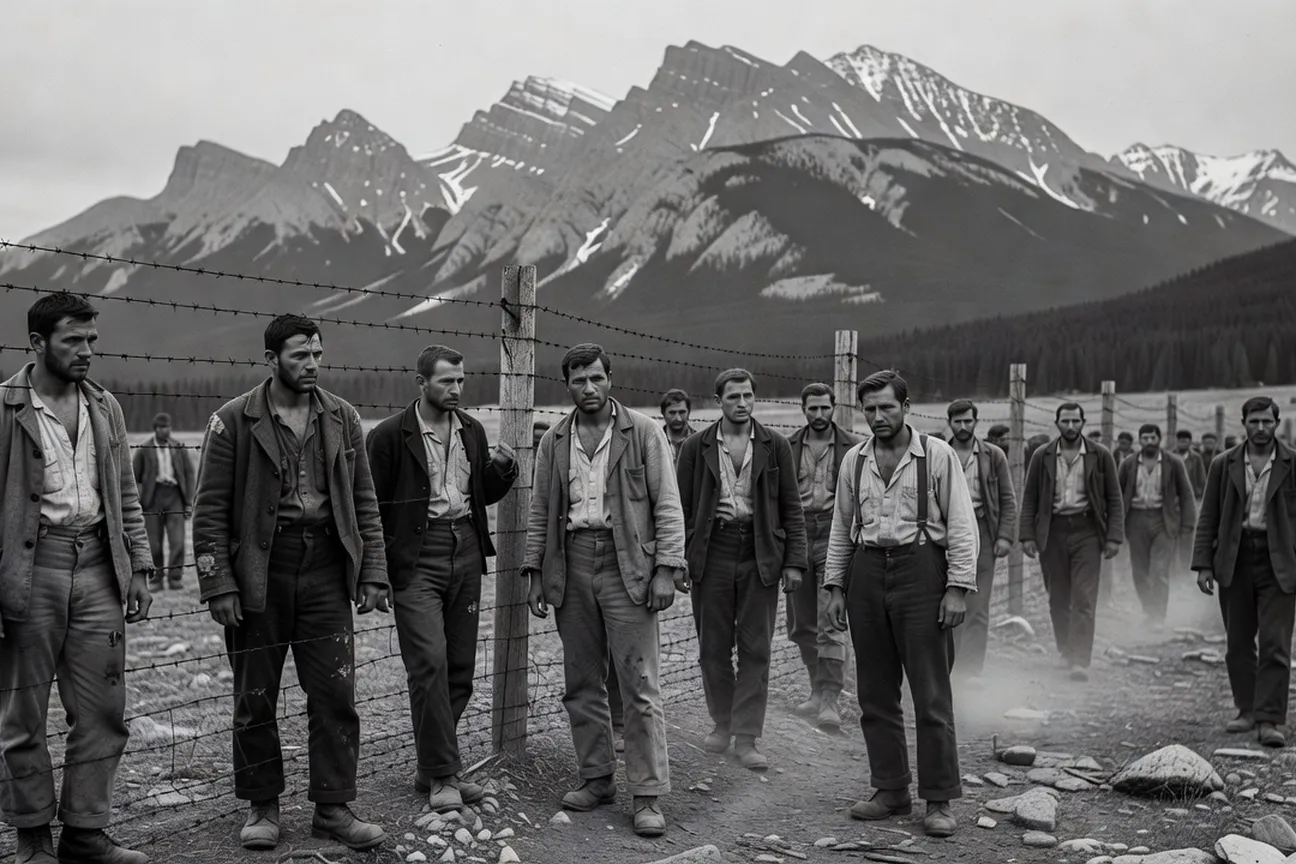
Another significant camp was Spirit Lake in Quebec, near Amos. This was one of the largest and longest-operating camps, running from 1915 to 1917, and it held a diverse group of internees, including many families. The conditions there were notoriously harsh, with inadequate shelter, food, and medical care in a remote, unforgiving environment. Similarly, Kapuskasing in northern Ontario was a major camp, where internees were forced into gruelling work clearing land for agricultural development and building roads, all under severe conditions and often in extreme cold. In the Prairies, camps like Brandon, Manitoba, and Lethbridge, Alberta, also held hundreds of internees, exploiting their labour for railway construction and other infrastructure projects. These camps were not just places of detention; they were sites of systematic exploitation, designed to extract maximum labour from a captive workforce, often under the most deplorable conditions, far from public scrutiny. The memory of these camps, and the suffering endured within their fences, remains a powerful testament to a forgotten injustice.
Historical illustration of Ukrainian internment camp in Canada 1914-1920.
Q: You've touched upon the harsh conditions and forced labour. Could you delve deeper into what life was truly like for those interned in these camps? What were the daily realities and the human cost?
A: Life in the internment camps was a brutal existence, a daily struggle for survival and dignity. Internees were forced into hard labour, often for 10 to 12 hours a day, six days a week, with minimal pay or sometimes no pay at all. Their labour was instrumental in developing Canada's infrastructure, particularly in remote areas. As I mentioned, they built sections of the Trans-Canada Highway, cleared forests, constructed railways, and developed parts of national parks like Banff. This was not voluntary work; it was forced labour under duress, often in extreme weather conditions, with inadequate clothing and nutrition.
The living conditions were deplorable. Overcrowded barracks, poor sanitation, and insufficient food were common. Medical care was rudimentary at best, leading to outbreaks of disease. Guard brutality was also a pervasive issue. Internees faced physical abuse, verbal harassment, and humiliation. Discipline was often harsh and arbitrary, enforced by armed guards who viewed them as enemies, not as fellow human beings. The psychological toll of this dehumanization, isolation, and constant surveillance was immense. Families were separated, with women and children often left to fend for themselves outside the camps, facing destitution and social ostracism. The ultimate human cost is starkly reflected in the fact that at least 107 internees died in the camps. These deaths were due to disease, accidents from dangerous labour, malnutrition, and, in some cases, violence. Each death represents a profound tragedy and a stain on Canada's human rights record, underscoring the severe and often fatal consequences of this national policy of internment.
Q: For such a significant historical event, it remained largely unacknowledged for decades. Who were the key figures and what was their work in finally uncovering and bringing this history to public attention?
A: You're absolutely right; this history was deliberately suppressed and largely forgotten for many years, often dismissed as a minor footnote. It took the tireless dedication of a few key individuals, primarily scholars and community advocates, to bring it to light. Two names stand out prominently: Frances Swyripa and Lubomyr Luciuk.
Frances Swyripa, a distinguished historian, played a foundational role. Her pioneering academic work, particularly her book "Wedded to the Land: Ukrainian-Canadian Settler Identity and the Canadian-Ukrainian Diaspora, 1891-1914," and numerous articles, meticulously documented the experiences of early Ukrainian immigrants, including the internment. She delved into archival records, oral histories, and community narratives, providing the crucial academic rigour and comprehensive research that established the historical facts of the internment. Her scholarship provided the bedrock upon which further advocacy and understanding could be built.
Lubomyr Luciuk, a professor at the Royal Military College of Canada and a prominent figure within the Ukrainian Canadian Civil Liberties Association (UCCLA), has been the driving force behind the public awareness campaign and the push for official recognition and redress. Luciuk, through UCCLA, has tirelessly collected evidence, published numerous books and articles, organized conferences, and lobbied successive Canadian governments. His work shifted this issue from academic discourse to a public and political imperative. He spearheaded the campaign for a national apology and compensation, ensuring that this dark chapter was not only remembered but also acknowledged at the highest levels. Together, Swyripa's meticulous research and Luciuk's unwavering advocacy ensured that this painful and vital part of Canadian history could no longer be ignored, allowing for Ukrainian history and memory across the diaspora to be properly understood.
Q: Thanks to their efforts, there was indeed a form of official recognition. Can you tell us about the 2005 Canadian First World War Internment Recognition Fund – how much was allocated, what were its limitations, and what, in your opinion, was still left undone?
A: The 2005 Canadian First World War Internment Recognition Fund, or CFWWIRF, was a significant milestone, representing the first official acknowledgement by the Canadian government of the internment operations. After decades of advocacy, particularly by Lubomyr Luciuk and the UCCLA, the government allocated $2.5 million to the fund. This money was not intended as direct individual compensation for victims or their descendants, which was a key limitation. Instead, the fund was designed to support commemorative and educational projects, such as memorials, historical markers, educational programmes, research, and cultural initiatives, aimed at preserving the memory of the internment and educating future generations.
While the fund was a positive step towards recognition and a crucial acknowledgement of the injustice, it had clear limitations. The $2.5 million was a relatively modest sum given the scale of the historical wrong and the passage of nearly a century. More importantly, it did not include a formal, direct apology from the Canadian government for the internment, nor did it offer individual redress to the survivors or their families for the immense suffering, lost property, and stolen labour. Many felt that a true reconciliation would have required a more direct and unambiguous apology, similar to what was offered to Japanese Canadians for their internment during the Second World War. The fund was a compromise, a recognition of historical fact, but it fell short of fully addressing the moral and material damages inflicted upon the interned community. What was left undone was a complete and unequivocal governmental apology that acknowledges the profound injustice and the lasting trauma, and a more robust mechanism for addressing the intergenerational impact of the property seizures and the economic hardship endured.
Q: You mentioned the lasting trauma and economic hardship. How did this experience of internment and being labelled "enemy aliens" impact the Ukrainian-Canadian community in the long term, both politically and socially?
A: The impact on the Ukrainian-Canadian community was profound and multifaceted, shaping its trajectory for generations. Socially, there was an immediate and pervasive sense of shame and fear. Many Ukrainian immigrants, especially those who had experienced internment or had family members who were interned, felt compelled to assimilate rapidly. This often manifested in changing names to sound more "Canadian" or English, abandoning their language and cultural practices, and distancing themselves from their heritage to avoid suspicion and discrimination. There was a deep-seated fear of being seen as "other" or disloyal, which led to a suppression of their distinct identity.
Politically, the internment fostered a significant degree of disengagement. Having been targeted by the state, many became wary of political involvement, viewing government with suspicion. This contributed to a quietist approach for many years, where the community focused on internal cultural preservation rather than external political advocacy. The seizure of property, including farms and savings, had devastating economic consequences for many families, pushing them into further poverty and hindering their ability to establish themselves securely in Canada. This economic disenfranchisement was compounded by the psychological trauma of being stripped of their dignity and rights. The internment experience became a collective wound, a memory passed down through families, influencing attitudes towards authority, national identity, and the importance of civil liberties. It underscored the fragility of belonging for immigrant communities and the enduring power of state-sanctioned xenophobia. It took decades for the community to heal enough to openly confront this past and demand recognition, a testament to the depth of the trauma endured.
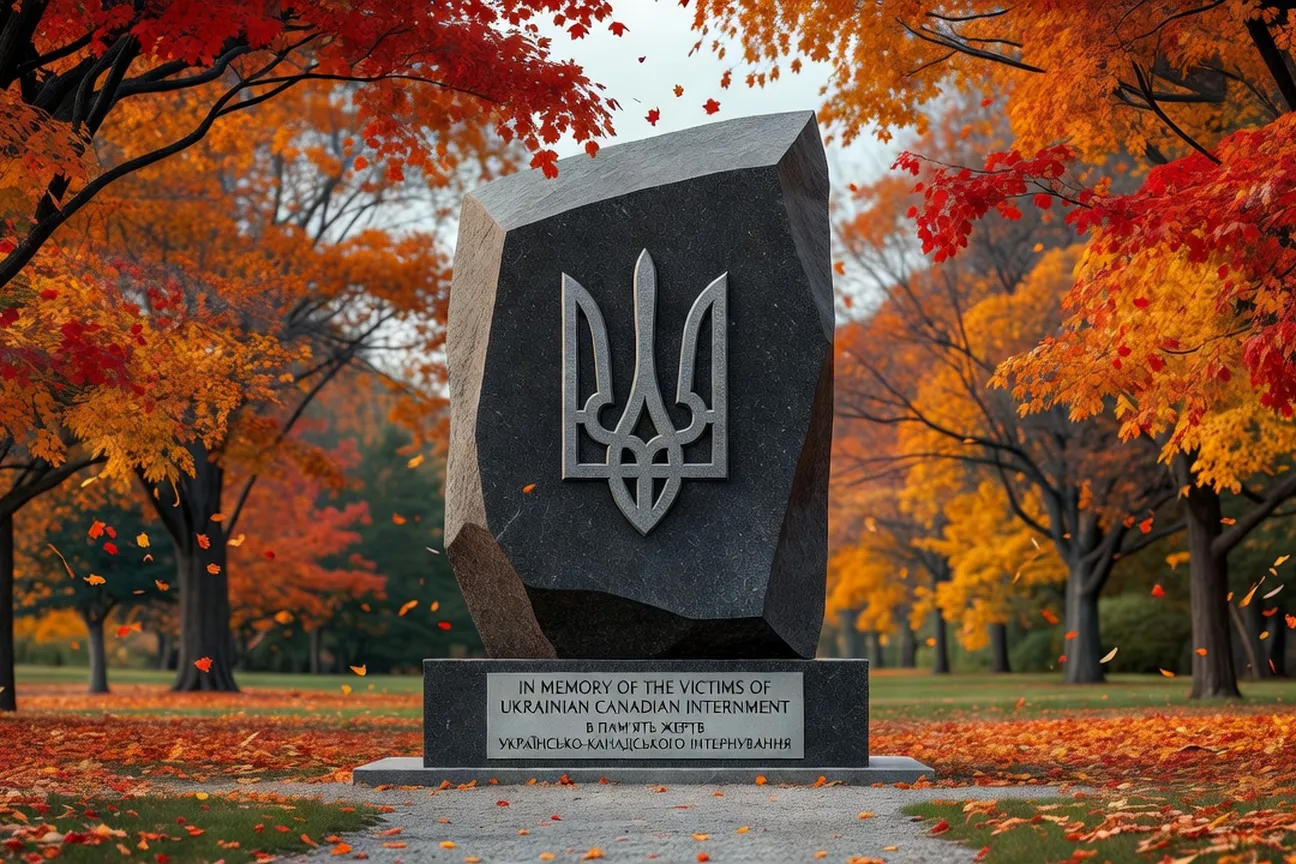
Memorial monument for Ukrainian Canadian internment victims.
Q: Given this suppressed history and its long-term effects, what do you believe younger Ukrainians in Canada today, particularly those born and raised here, should know about this period? Why is it relevant to them now?
A: For younger Ukrainians in Canada, understanding this history is absolutely vital for several reasons. Firstly, it's about knowing their own heritage, not just the triumphs but also the struggles. It’s part of their family story, even if their direct ancestors weren't interned, as the entire community was affected by the atmosphere of fear and prejudice. This knowledge helps them understand the resilience and strength of those who came before them and contributes to a fuller, more nuanced sense of their identity as Ukrainian-Canadians. It’s a foundational piece of their collective memory.
Secondly, it's a powerful lesson in civil liberties and human rights. The internment demonstrates how easily democratic societies can suspend fundamental rights during times of crisis, often targeting minority groups. Younger generations need to understand how fear, propaganda, and xenophobia can erode justice. This historical awareness fosters a critical perspective on government actions and encourages vigilance in protecting the rights of all citizens, especially vulnerable populations. It teaches them to question narratives of "enemy aliens" and to stand up against discrimination. Finally, it reminds them that Canada's history, like any nation's, is complex and not always glorious. Acknowledging these darker chapters is crucial for genuine reconciliation and for building a truly inclusive society. It’s about learning from the past to ensure such injustices are never repeated, and it underscores the importance of advocating for justice, not just for their own community, but for all communities facing similar challenges today.
Q: That's a powerful message. Finally, in light of the recent full-scale invasion of Ukraine by Russia in 2022, we've seen an outpouring of support for Ukrainians in Canada, with many new arrivals seeking refuge. Are there any parallels, perhaps ironic ones, between the post-2022 experience of Ukrainians in Canada and the internment experience of a century ago?
A: This is a critically important question, and the parallels, while starkly different in outcome, carry profound irony and offer valuable contemporary lessons. A century ago, Ukrainians arriving in Canada, particularly from Austro-Hungarian territories, were viewed with suspicion, labelled "enemy aliens," and many were interned. Their property was seized, their labour exploited, and their loyalty questioned, despite their clear desire for a new life free from the very empires Canada was fighting. They faced systemic discrimination and hostility.
Fast forward to post-2022: Ukrainians arriving in Canada as a result of Russia's full-scale invasion are met with overwhelming sympathy, support, and generosity. They are offered open arms, expedited immigration processes, financial aid, and community assistance. The Canadian government and the public alike have demonstrated immense solidarity with Ukraine and its people. The irony is palpable: the descendants of those who were interned as enemies are now at the forefront of welcoming and supporting new arrivals from Ukraine, often leveraging the very community infrastructure built through generations of struggle. This shift highlights how much Canada has evolved in its understanding of diversity and human rights, and how global events can redefine who is considered an "ally" versus an "enemy." However, it also serves as a poignant reminder that while the current situation is one of welcome, the historical capacity for fear and xenophobia to override compassion remains a potent force globally. It underscores the importance of remembering our own past injustices, like the internment, to ensure that the welcome extended to one group today is a standard applied to all vulnerable populations, not just a response to a specific geopolitical moment. It's a testament to the enduring spirit of the Ukrainian-Canadian community that they have transformed past trauma into a powerful impetus for helping others, including Ukrainian-Canadian veterans of WWI and WWII, who fought for this country despite its past injustices.
Quick Answers: Common Misconceptions
Myth: Ukrainian internment was only for spies and traitors.
Reality: The vast majority of those interned were innocent civilians, predominantly farmers and labourers, whose only "crime" was their ethnic origin from territories of the Austro-Hungarian Empire.
Myth: The internment camps were similar to regular prisons.
Reality: While they were places of detention, internees were subjected to forced labour, often in harsh conditions, building infrastructure for Canada, which distinguishes them from typical penal institutions.
Myth: Canada was the only country to intern "enemy aliens" during WWI.
Reality: Many Allied nations, including the United States, Britain, and Australia, also interned civilians classified as "enemy aliens" during the First World War, though Canada's scale relative to its population was significant.
Myth: The internment was widely known and acknowledged after the war.
Reality: This history was largely suppressed and forgotten for decades, only coming to public attention through the persistent efforts of historians and community advocates starting in the late 20th century.
Myth: The 2005 Recognition Fund provided direct compensation to individual victims.
Reality: The $2.5 million fund was primarily for educational, commemorative, and research projects, not for individual financial redress or a formal government apology to survivors or their families.
Three Key Takeaways
The First World War internment of Ukrainians and other Eastern Europeans in Canada stands as a stark reminder of how easily civil liberties can be suspended during times of national crisis. Fueled by xenophobia and wartime hysteria, the Canadian government utilized the War Measures Act and Enemy Alien Act to classify tens of thousands of recent immigrants as threats, simply based on their ancestral origins from the Austro-Hungarian Empire. This period demonstrates that even in a nation priding itself on multiculturalism, the vulnerability of minority groups to state-sanctioned discrimination remains a potent historical lesson, emphasizing the constant need for vigilance in protecting human rights and challenging narratives that demonize "the other."
The internment was not merely a period of detention; it was a systematic exploitation of forced labour that significantly contributed to Canada's infrastructure development. Internees were compelled to work in brutal conditions, building roads, clearing forests, and constructing national parks, often with little to no compensation. This aspect of the internment highlights a profound moral contradiction: while these individuals were branded as enemies, their unfree labour was simultaneously used to build the very nation that imprisoned them. This legacy of exploitation adds a complex layer to Canada's economic and social history, underscoring how economic gain was derived from the denial of fundamental freedoms and human dignity.
Finally, the long and arduous journey towards recognition and reconciliation for the internment experience showcases the power of historical advocacy and community resilience. For decades, this chapter was buried, leaving a legacy of shame and political disengagement within the Ukrainian-Canadian community. The persistent efforts of scholars like Frances Swyripa and advocates like Lubomyr Luciuk were instrumental in bringing this injustice to light, culminating in the 2005 First World War Internment Recognition Fund. While imperfect, this acknowledgment represents a crucial step in confronting Canada's past, learning from its mistakes, and fostering a more inclusive historical narrative that respects the experiences of all its citizens, particularly those who have faced systemic discrimination.
Frequently Asked Questions
Q: How long did the internment operations last?
A: The internment operations began shortly after Canada entered the First World War in August 1914 and continued until June 1920, nearly two years after the war officially ended.
Q: Were only men interned, or were women and children also affected?
A: While the vast majority of internees were men, women and children were also interned, particularly in camps like Spirit Lake, Quebec. Additionally, many women and children outside the camps faced severe economic hardship and social ostracism due to the internment of their male family members.
Q: What happened to the property of those who were interned?
A: The property of interned "enemy aliens," including farms, savings, and personal belongings, was often confiscated or sold off by the Custodian of Enemy Alien Property. Many internees returned from the camps to find themselves destitute, with their assets gone and no means of recovery.
Q: Was there any resistance or protest within the camps?
A: While direct large-scale resistance was difficult due to the armed guards and remote locations, internees often engaged in acts of defiance, cultural preservation, and mutual support. There were also instances of hunger strikes and attempts to escape, reflecting their desperate conditions.
Q: How can I learn more about the Ukrainian internment in Canada?
A: You can learn more by visiting the website of the Ukrainian Canadian Civil Liberties Association (UCCLA), reading books by scholars like Lubomyr Luciuk and Frances Swyripa, visiting memorial sites and museums, or exploring archival materials available through Canadian institutions.